

as we already know, this very dynamic evolution of technology gives us a A wide range of possibilities regarding the presence and development of a “business”” online environment”.
As we already know, this very dynamic evolution of technology offers us a wide range of possibilities regarding the presence and development of a business in the online environment.
What does this mean? That our brand together with the products can be found and accessed where we want, depending on the allocated budget, whether it is our own website, eCommerce platforms, Facebook, Instagram or any other types of networks that allow us to do this . Basically, the ones mentioned represent the variants by which we can present ourselves (action aimed at informing the buyer) and/or sell the products/services remotely, with a few clicks. In order to be relevant and able to gain the trust of potential customers, we need product photos/descriptions that convey the true values.
If a product description needs to be objective and as detailed as possible, the photo can influence the final purchase decision. Why? Because this is a core component of branding when we think about how we can convince people to buy our products, especially in the case of online shopping which is constantly growing (eCommerce is becoming very important, it can even be considered a trend). The power of images is undeniable, and it makes a difference in the sales process, i.e. the lack of it can also lead to the loss of customers.
Why is product photography important?
Because it helps you build your brand. You can consider this investment as a long-term one, regardless of the chosen option. A good product photo helps your brand convey its true values and show professionalism, quality, innovation, etc. It also contributes to customer loyalty.


Because it promotes silent communication. Images speak louder than words. A powerful and impactful photo can instantly grab attention. The digital world is very generous and offers users a variety of products that they can buy online regardless of category.
Because it sets the right expectations of the potential customer. The images must convey what the product has to offer and set the expectations that customers should have, thus avoiding the fear of possible pitfalls. Please note that many products sold online are returned because the items shown do not resemble the photos. The offline experience convinces buyers much more easily in the final purchase decision, because the products can be seen and physically touched.
Because it can capture the mood of customers. If potential customers are interested in a certain product, this is certainly the time when they do research to decide on the final choice.
Because it can help us keep our competitors away. Even though there are products that are very similar to each other, each one is unique in its own way. Use product photos to differentiate yourself from the competition by highlighting key features that meet specific needs.
Tips and tricks: Use a suitable lighting source and configure the device settings accordingly. The light can be studio or natural. The choice is made according to the type of product we want to photograph, the purpose of the photograph and the platform we want to use it for. For example, natural lighting suits food, people and clothing. The generated layout works very well for Social Media like Instagram. Through natural light, we can think both about the external environment (being considered the most appropriate), but also about the internal one (by positioning the products towards the window). Early morning and late afternoon are the best times of the day, avoiding strong sun. Artificial light is recommended for photographing products used indoors or for those showing small details. It is also indicated for items that will be sold through Google Shopping or Amazon. A few simple settings can help you configure the ideal contrast.


Tips and tricks: Try to learn some basic editing. Although editing should be minimal, product photography still requires the accumulation of basic editing knowledge.
Tips and tricks: Don’t shoot the product so that you have a lot to edit at the end. Product photos should not be taken carelessly, and then rely on excessive use of Photoshop. Our interest is that the final material reflects the truth. That is, the picture should be as close to reality as possible. Editing can have a substantial impact on quality. This process should be represented by a few small retouches. Basically, the photo must be made for editing. We don’t want to change it completely, just do minimal editing.
Tips and tricks: Do not use zoom in if the device used is a phone and keep the flash off in this case.
Tips and tricks: Make sure the lens of the device is clean (especially if we are talking about the phone).
Tips and tricks: Use a tripod. The tripod contributes to obtaining a clear and quality photo, because it stabilizes the position of the device. It is suitable for both phones and devices.
Tips and tricks: Keep in mind the rule of thirds. In photography, the rule of thirds is a rule of composition. Basically, the photographic frame is divided into 9 equal parts by crossing 4 imaginary lines (2 in the vertical plane and 2 in the horizontal plane). Their intersections will indicate the strengths of the image. In short, we have found the best place to place the subject for a balanced shot.
Tips and tricks: Take several photos from different angles. The beauty of product photography is represented by the fact that we have the opportunity to take photos from several angles, and then strategically choose the best ones. Do you remember the example given with reference to the dressing room for the bedroom? The main image caught your attention, you clicked on it, then you read the description and you think the product meets your needs. Do you buy it if you are not shown the inside of the cabinet? Maybe the potential customer doesn’t even have the patience to read the description if he doesn’t see pictures from other angles.
Tips and tricks: Get inspiration from the brands you love. Also look at product photos of other brands to generate ideas. So use your creativity.
Put the product in context. Product photos must also give us the opportunity to easily imagine how we can use it and why we want to buy it. Basically, the buyer’s trust is gained in this way by demonstrating the usefulness of the product.
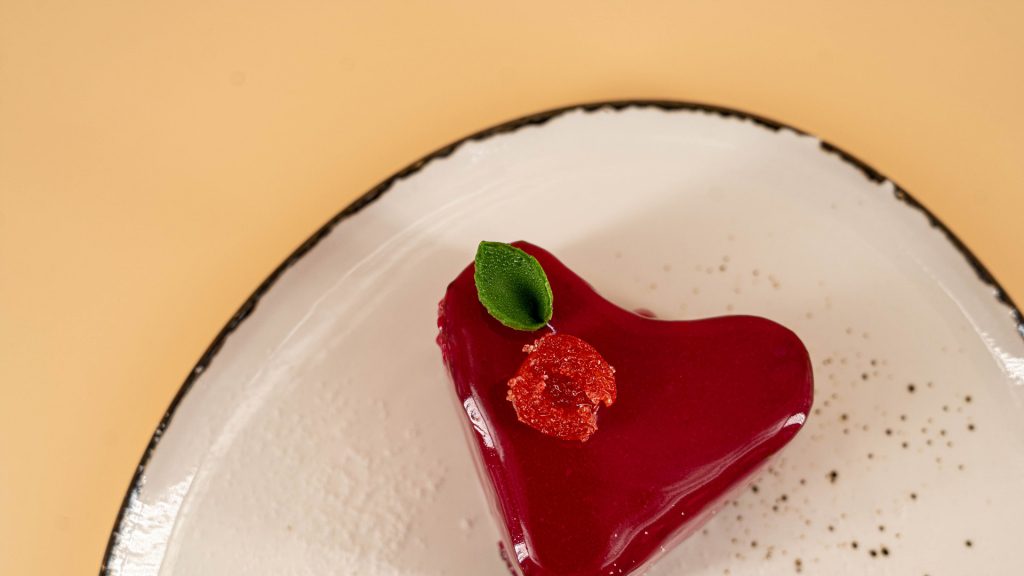
When you are indecisive, you can always opt for the white background. Remember that the product should be the star of the photo and not the background image. For example, if we have a restaurant and we want to present certain dishes from the menu, the plate must stand out in order not to lose it in the background. In general, white background is a requirement, even a good practice for eCommerce platforms. If we’re not referencing Social Media, we can always keep a plain white background, but pale colors can work just as well (pale yellow/pale pink/pale blue).
Describe the product. It is recommended that products, especially those listed for eCommerce platforms, be accompanied by a description. The presence of descriptions does not guarantee that people will actually read them, but it is good that the product helps them create a clear/detailed picture.
Follow the product photography specifications highlighted by the eCommerce platforms you use. Before starting product photography, inform yourself about the specific rules of the platform (eg photo format, dimensions, etc.)
Recommendation
Don’t panic if the first photos don’t turn out the way you wanted. Choose a device that can deliver quality photos. Watch photography tutorials. About the process itself, but also about editing. Call a specialist if your budget allows.